IBC Totes & Parts | Bulk Storage Containers
- Materials: HDPE inner bottles, galvanized steel cages, woven polypropylene FIBC bags.
- Capacities: 275-gallon and 330-gallon IBC totes; FIBC bulk bags for dry materials.
- Compliance: UN/DOT-rated options for hazardous material transport.
- Components: Valves, caps, adapters, wrenches, dust covers, and tote heaters.
- Configurations: New, used, refurbished, rebottled, PassportTank, and flexible IBC options.
IBC Tote Valve Thread Guide
IBC Tote Bottle Thread Guide
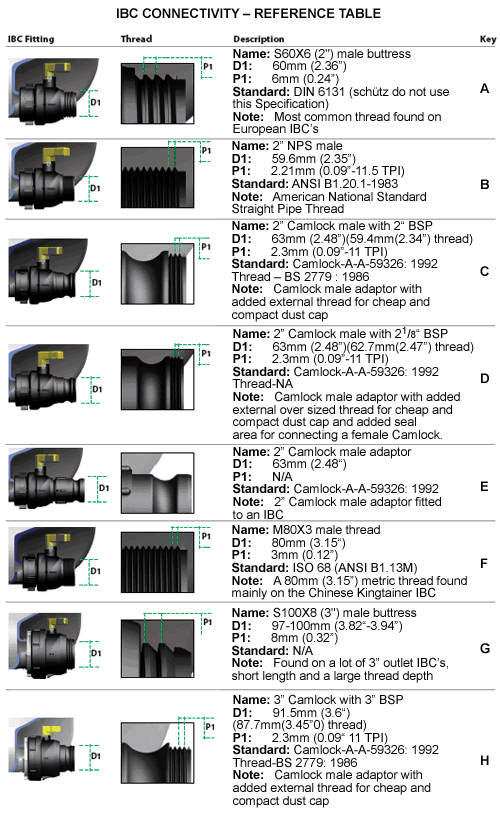
IBC Tote Connection Reference Table
Call For Discount On Pick-up at our warehouse. 800-560-2334

Product Comparison Chart
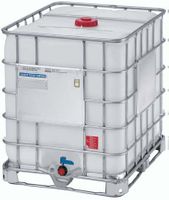
IBC Tote Types IBC totes are configured for liquid storage, chemical handling, food-grade storage, water storage, and bulk transport. Rigid IBC totes typically use a rectangular HDPE inner bottle supported by a galvanized steel cage and pallet base. Standard capacities include 275-gallon and 330-gallon models. New IBC totes are used where product purity, food-contact suitability, or clean container history is required. Used, refurbished, and rebottled IBC totes are selected for lower-cost industrial storage when the prior container condition and compatibility meet the application requirements.
Rigid IBCs vs. Flexible IBCs Rigid IBC totes are designed for liquids and flowable products such as chemicals, oils, lubricants, water, cleaning agents, and food-grade liquids. FIBC bulk bags are designed for dry bulk materials, including powders, grains, plastic pellets, sand, fertilizer, and other solids. The rigid tote protects liquid contents with a fixed bottle and valve system, while the flexible bag uses woven polypropylene fabric and lift loops for forklift or hoist handling. Selection depends on whether the stored material is liquid, semi-liquid, granular, powdered, or solid. Material Engineering
HDPE Bottle Construction Most rigid IBC totes use high-density polyethylene inner bottles because HDPE resists impact, moisture, and many industrial chemicals. The molded bottle is supported by a galvanized steel cage, which improves stacking strength, sidewall protection, and handling stability. The cage also reduces container deformation during transport and warehouse storage. Pallet bases may be plastic, steel, composite, or wood depending on the tote design and operating environment.
Steel Cage and FIBC Materials Galvanized steel cages provide external protection for the HDPE bottle and help maintain container shape during forklift handling, stacking, and shipping. For dry materials, FIBC bulk bags use woven polypropylene because it has a high strength-to-weight ratio and can be folded or stored compactly when empty. Some FIBC bags may include liners or specialty discharge features depending on the product being handled. Material compatibility must be checked against the stored product before use. Regulatory Standards
UN/DOT Transport Requirements Many IBC totes are available in UN/DOT-rated configurations for hazardous material transport. A UN rating indicates that the container has been tested for specified packaging groups, contents, and transport conditions. Buyers should match the tote rating to the material classification, density, vapor pressure, and shipping method. A tote used for regulated transport must retain correct closures, valves, gaskets, markings, and service condition.
Handling and Safety Compliance IBC tote safety depends on correct valve closure, compatible fittings, secure caps, and proper inspection before filling or shipping. OSHA-related handling concerns include forklift access, stacking limits, spill prevention, and safe dispensing procedures. DOT compliance applies when regulated materials enter transportation. Incorrect adapters, worn gaskets, damaged valves, or mismatched threads can cause leaks, spills, or failed inspections. Industrial Applications
Chemical and Manufacturing Use Chemical processors use IBC totes for bulk liquids, cleaning agents, solvents, additives, lubricants, and process chemicals. Manufacturing plants use tote systems for fluid staging, batch production, waste handling, and dispensing into smaller containers. Valves, caps, and adapters are important because many facilities connect IBCs to pumps, hoses, meters, and closed-transfer systems.
Food, Agriculture, and Water Storage Food and beverage operations use new or approved food-grade IBC totes for syrups, oils, concentrates, and other consumable liquids. Agriculture users rely on IBC totes and FIBC bags for fertilizers, water, feed ingredients, grains, and bulk dry materials. Water treatment and emergency storage applications use totes for bulk water holding, chemical dosing, and temporary liquid storage. Selection Criteria
Compatibility and Condition The first selection factor is product compatibility with the HDPE bottle, valve, gasket, and adapter materials. Chemicals, oils, solvents, and food-grade products may require different container histories and material approvals. New totes are suited for sensitive products, while refurbished or rebottled totes may be used for industrial applications where prior-use controls are acceptable.
Fittings, Threads, and Accessories IBC tote parts must match the valve outlet, thread type, cap style, and hose or pump connection. Common accessories include valves, dust caps, camlock adapters, reducers, wrenches, and replacement closures. Reference tools such as valve thread guides and connection tables reduce the risk of buying incompatible parts. For cold environments or thick liquids, IBC heater blankets help maintain flow by controlling product temperature.
| Product Type | Capacity / Size | Primary Material | Use Case | Key Components |
|---|---|---|---|---|
| Used & Refurbished IBC Totes | 275 & 330 Gallon | HDPE bottle with steel cage | Industrial liquid storage and transport | Valve, cap, cage, pallet base |
| New IBC Totes | 275 & 330 Gallon | New HDPE bottle with galvanized steel cage | Food-grade, chemical, and sensitive liquid storage | New bottle, valve, closure, cage |
| PassportTank IBC Totes | 275 & 330 Gallon | HDPE and protective frame system | Bulk liquid handling and transport | Tank, frame, valve, fittings |
| IBC Tote Heater Blankets | Fits 275 & 330 Gallon Totes | Insulated heating blanket materials | Temperature control for viscous liquids | Heating blanket and controls |
| IBC Tote Dust Covers | 75 Per Roll | Protective cover material | Dust and debris protection during storage | Disposable tote covers |
| FIBC Bulk Bags | Bulk dry material sizes | Woven polypropylene | Powders, grains, resins, fertilizer, and solids | Lift loops, discharge spouts, liners where applicable |
| IBC Tote Parts & Valves | Multiple thread and fitting sizes | Plastic, metal, and gasket materials | Dispensing, connection, repair, and compatibility | Valves, caps, adapters, wrenches |
IBC Tote Types IBC totes are configured for liquid storage, chemical handling, food-grade storage, water storage, and bulk transport. Rigid IBC totes typically use a rectangular HDPE inner bottle supported by a galvanized steel cage and pallet base. Standard capacities include 275-gallon and 330-gallon models. New IBC totes are used where product purity, food-contact suitability, or clean container history is required. Used, refurbished, and rebottled IBC totes are selected for lower-cost industrial storage when the prior container condition and compatibility meet the application requirements.
Rigid IBCs vs. Flexible IBCs Rigid IBC totes are designed for liquids and flowable products such as chemicals, oils, lubricants, water, cleaning agents, and food-grade liquids. FIBC bulk bags are designed for dry bulk materials, including powders, grains, plastic pellets, sand, fertilizer, and other solids. The rigid tote protects liquid contents with a fixed bottle and valve system, while the flexible bag uses woven polypropylene fabric and lift loops for forklift or hoist handling. Selection depends on whether the stored material is liquid, semi-liquid, granular, powdered, or solid. Material Engineering
HDPE Bottle Construction Most rigid IBC totes use high-density polyethylene inner bottles because HDPE resists impact, moisture, and many industrial chemicals. The molded bottle is supported by a galvanized steel cage, which improves stacking strength, sidewall protection, and handling stability. The cage also reduces container deformation during transport and warehouse storage. Pallet bases may be plastic, steel, composite, or wood depending on the tote design and operating environment.
Steel Cage and FIBC Materials Galvanized steel cages provide external protection for the HDPE bottle and help maintain container shape during forklift handling, stacking, and shipping. For dry materials, FIBC bulk bags use woven polypropylene because it has a high strength-to-weight ratio and can be folded or stored compactly when empty. Some FIBC bags may include liners or specialty discharge features depending on the product being handled. Material compatibility must be checked against the stored product before use. Regulatory Standards
UN/DOT Transport Requirements Many IBC totes are available in UN/DOT-rated configurations for hazardous material transport. A UN rating indicates that the container has been tested for specified packaging groups, contents, and transport conditions. Buyers should match the tote rating to the material classification, density, vapor pressure, and shipping method. A tote used for regulated transport must retain correct closures, valves, gaskets, markings, and service condition.
Handling and Safety Compliance IBC tote safety depends on correct valve closure, compatible fittings, secure caps, and proper inspection before filling or shipping. OSHA-related handling concerns include forklift access, stacking limits, spill prevention, and safe dispensing procedures. DOT compliance applies when regulated materials enter transportation. Incorrect adapters, worn gaskets, damaged valves, or mismatched threads can cause leaks, spills, or failed inspections. Industrial Applications
Chemical and Manufacturing Use Chemical processors use IBC totes for bulk liquids, cleaning agents, solvents, additives, lubricants, and process chemicals. Manufacturing plants use tote systems for fluid staging, batch production, waste handling, and dispensing into smaller containers. Valves, caps, and adapters are important because many facilities connect IBCs to pumps, hoses, meters, and closed-transfer systems.
Food, Agriculture, and Water Storage Food and beverage operations use new or approved food-grade IBC totes for syrups, oils, concentrates, and other consumable liquids. Agriculture users rely on IBC totes and FIBC bags for fertilizers, water, feed ingredients, grains, and bulk dry materials. Water treatment and emergency storage applications use totes for bulk water holding, chemical dosing, and temporary liquid storage. Selection Criteria
Compatibility and Condition The first selection factor is product compatibility with the HDPE bottle, valve, gasket, and adapter materials. Chemicals, oils, solvents, and food-grade products may require different container histories and material approvals. New totes are suited for sensitive products, while refurbished or rebottled totes may be used for industrial applications where prior-use controls are acceptable.
Fittings, Threads, and Accessories IBC tote parts must match the valve outlet, thread type, cap style, and hose or pump connection. Common accessories include valves, dust caps, camlock adapters, reducers, wrenches, and replacement closures. Reference tools such as valve thread guides and connection tables reduce the risk of buying incompatible parts. For cold environments or thick liquids, IBC heater blankets help maintain flow by controlling product temperature.